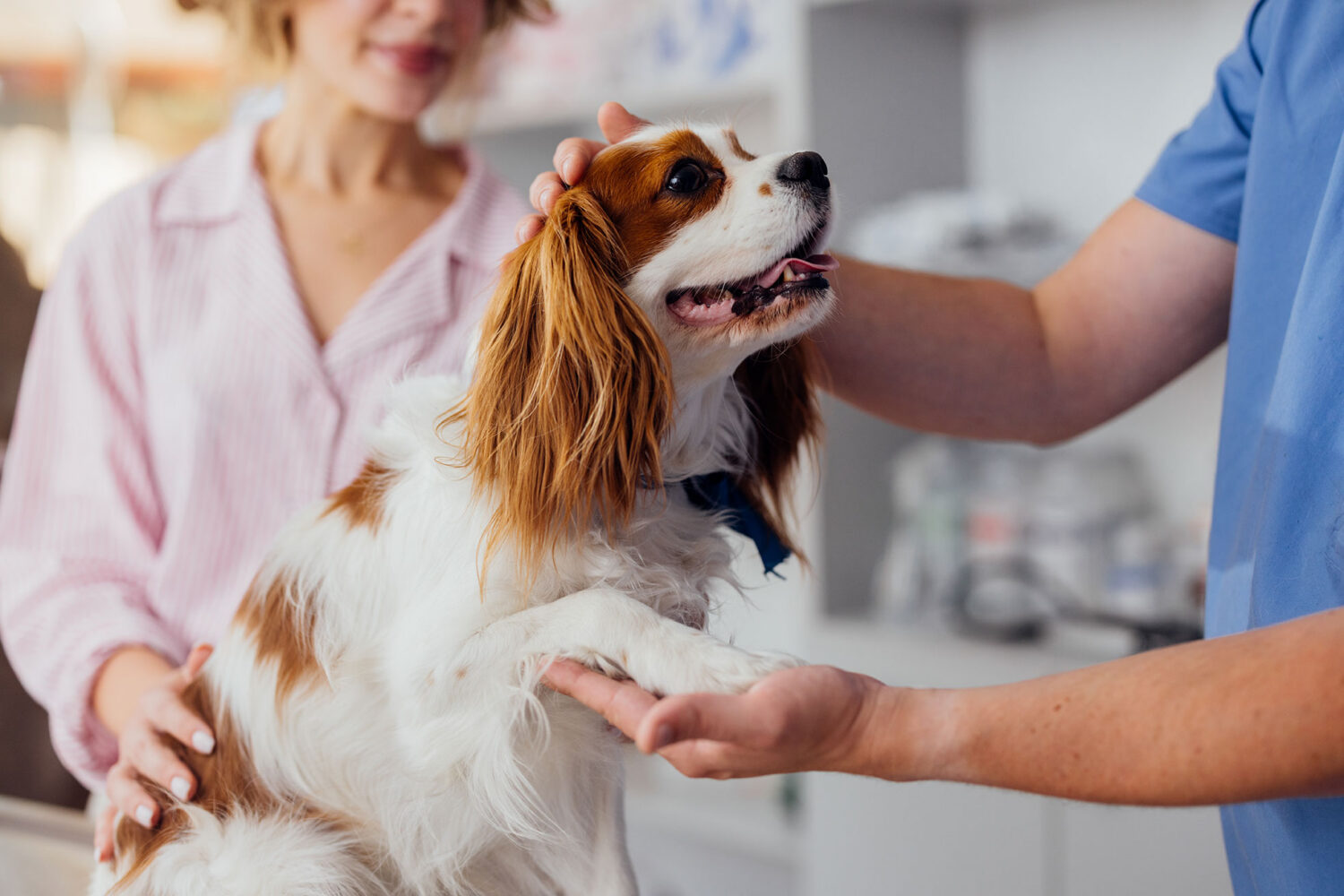
Grooming appointments go more smoothly when pets arrive well-prepared — and preparation starts before you leave the house. A few straightforward steps from the owner's side can make a meaningful difference to how relaxed your pet is during the session and how well the overall result turns out.
This guide covers practical preparation for both dogs and cats, including what to bring, how to manage anxiety, what to communicate to your groomer, and how to support your pet's comfort before and after the visit.
What You Need to Have Ready Before the Appointment
Vaccination Records
Most professional grooming salons require dogs to have current core vaccinations, including rabies. This is a health and safety measure — the grooming environment brings multiple animals into proximity, and a shared space poses a risk without basic protection in place.
If you've recently adopted a dog or if vaccinations are due for renewal, check the dates before booking. Arrive with documentation if this is your first visit to a salon. If your dog's vaccinations lapsed, your veterinarian can advise on the appropriate schedule before booking a grooming appointment.
Any Known Health Information
Let the groomer know about anything relevant to your pet's health before the appointment — not as a formality, but because it genuinely affects how the session should be handled. Relevant information includes:
- Known skin conditions, allergies, or sensitivities
- Recent surgeries or injuries
- Areas of the body that are painful or uncomfortable to touch
- Medications being taken, particularly any that affect behaviour or stress response
- A history of anxiety or reactivity during grooming
This information isn't a reason to cancel — it's information that helps the groomer do their job better. A dog with hip dysplasia needs different table positioning than a healthy young adult. A dog with a skin condition may need a different shampoo. Knowing these things in advance allows the groomer to plan accordingly.
The Day Before the Appointment
Brush Through the Coat
For dogs with longer or curly coats especially, brushing through the coat the evening before an appointment removes loose fur and surface tangles. This doesn't need to be exhaustive — you're not expected to do the groomer's job — but a quick run-through makes the groomer's job easier and may reduce the time needed on the table.
If you find areas of tight matting that you can't work through gently, note where they are and let the groomer know. Attempting to force-brush out severe mats at home can cause discomfort and skin irritation.
Avoid Bathing Your Dog at Home Just Before
Counter-intuitively, bathing your dog the day before a professional grooming appointment isn't necessarily helpful. If the coat isn't dried thoroughly and professionally, it can develop new tangles that set overnight, or small mats that weren't there before. It's fine to bathe your dog at home between appointments, but in the 24–48 hours before a grooming visit, it's better to leave the coat as-is and let the groomer handle it.
The Morning of the Appointment
Exercise Before, Not After
If your dog is able to exercise, a walk or a play session before the appointment is a good idea. A dog who has had some physical outlet arrives calmer and more settled than one who has been contained since waking up. This is particularly true for high-energy breeds who find it hard to stand still when they haven't had a chance to move.
Avoid vigorous exercise in the hour immediately before arrival — an overheated, panting dog takes longer to settle on the grooming table.
Feed Lightly
A light meal 2–3 hours before the appointment is better than a full meal immediately before. Dogs who have eaten heavily shortly before being lifted, positioned, and handled can experience discomfort. Some dogs who are nervous also have a tendency to vomit when anxious, which is more likely on a full stomach.
Access to water is fine — there's no reason to restrict fluids before grooming.
Allow Time for a Toilet Break
Walk your dog before leaving the house so they have the opportunity to eliminate. This makes the appointment more comfortable for the dog and simplifies things for the groomer. Dogs who need to go during a session are harder to keep relaxed and still.
Managing Anxious Pets
Be Honest About Your Dog's History
If your dog has had a difficult grooming experience in the past — whether they were poorly handled, or simply found the environment very stressful — tell the new groomer. An experienced groomer will adjust their approach if they know a dog has anxiety. What they can't adjust for is something they don't know.
Signs that a dog finds grooming particularly stressful include trembling, excessive panting, refusing to enter the salon, attempting to leave the table repeatedly, or showing defensive behaviour. If any of these are familiar, mention it when booking, not just on the day.
Don't Transmit Your Own Anxiety
This is one of the less obvious but genuinely useful pieces of advice: if you're visibly anxious about leaving your pet, your pet picks up on that. Dogs in particular read their owner's emotional state closely. If you're tense at drop-off, your dog may interpret that as a signal that this situation is worth being tense about.
A calm, matter-of-fact drop-off — a brief goodbye rather than a prolonged, emotion-laden farewell — tends to result in a better start to the appointment. You know your dog will be fine; let your body language reflect that.
Consider a Shorter First Session
For dogs who are new to grooming or who have shown significant anxiety in the past, requesting a shorter introductory session rather than a full groom is a reasonable approach. This allows the dog to get used to the environment without being pushed to their limits. Subsequent visits can be built up gradually.
What to Communicate to Your Groomer
Be Specific About What You Want
Grooming terminology can mean different things to different people. If you want your dog's coat kept long, specify how long. If you want a shorter cut, use a reference photo rather than relying on terms like "short" or "tidy" — these mean different things to different groomers and different owners. The most common source of disappointment in grooming results is a communication gap, not a technical one.
If you've seen a style you like on another dog or in an image online, bring the photo. It takes the guesswork out of the session and gives both you and the groomer a clear shared reference.
Mention Specific Areas of Concern
If there are particular areas you'd like the groomer to be careful with — a sore spot, an area where your dog is ticklish or reactive, a patch of skin that's been irritated — point these out directly. Similarly, if there are areas where you'd like particular attention, like the face, paws, or ears, say so.
Preparing Cats for Grooming
Cats present their own distinct set of preparation considerations. Most cats experience grooming as significantly more stressful than dogs do, and the preparation approach reflects this.
A secure, well-ventilated carrier is essential for cat transport — this is non-negotiable. Cats should never be transported to a grooming appointment loose in a car. Spray the inside of the carrier with a calming pheromone spray (available from most pet shops) at least 30 minutes before placing the cat inside. If the cat is comfortable with the carrier already, this isn't always necessary, but for cats who are nervous, it can reduce the initial stress of being confined.
Avoid feeding cats in the 2–3 hours before a grooming appointment as well. Car travel on a full stomach is uncomfortable, and nervous cats are more likely to vomit.
Let the groomer know if your cat has specific triggers, has bitten or scratched during past grooming, or has any health issues that affect handling. Cat grooming sessions are kept calmer and quieter than dog sessions for good reason, but the groomer can only work effectively with all the relevant information.
After the Appointment
After returning home, give your pet some quiet time to settle rather than immediately introducing them to children, other pets, or high-energy situations. Most pets are slightly tired or overstimulated after a grooming session — calm time to decompress is helpful.
Check in with the groomer's feedback. A good groomer will mention anything they noticed during the session — a nail that was harder to cut than usual, a skin patch worth watching, early signs of ear buildup. This information is useful for your vet and for planning your next appointment.
Frequently Asked Questions
Related reading: How Often Should You Groom Your Dog? · Understanding Different Coat Types