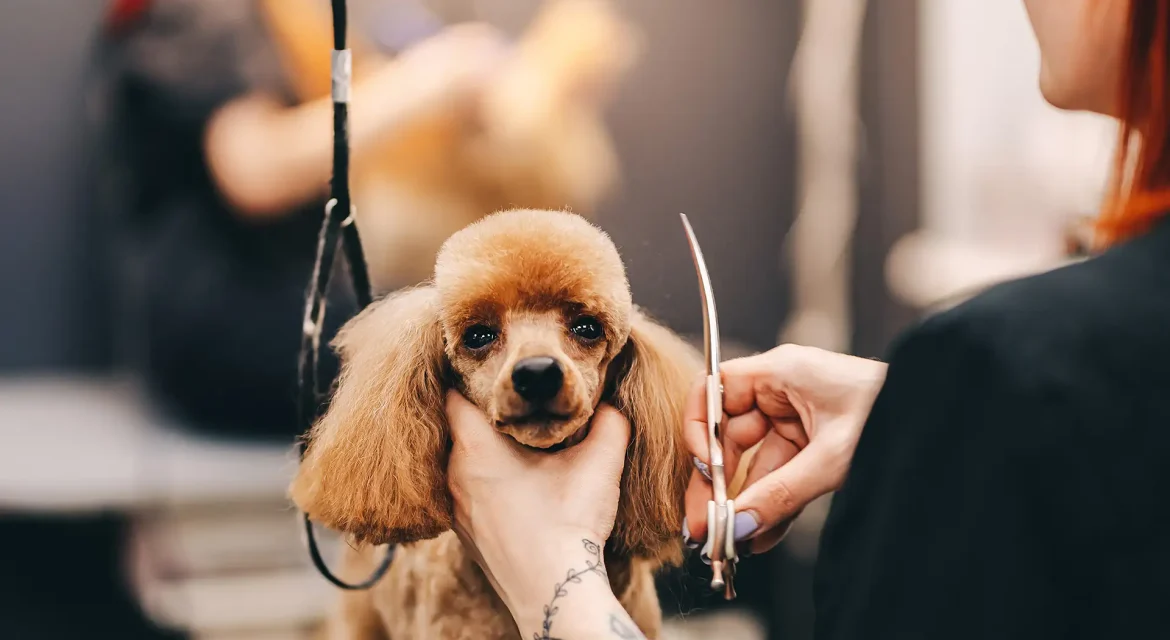
One of the most common questions we hear from dog owners is how often they should book grooming appointments. The answer isn't a single number — it depends on several factors that vary from one dog to the next. Understanding those factors helps you build a schedule that's actually suited to your dog rather than a generic recommendation.
Why There's No Universal Answer
The idea that "all dogs need grooming every six weeks" is a simplification that serves the marketing of grooming salons better than it serves dog owners. A Greyhound with a smooth, short coat doesn't need the same schedule as a Labradoodle with a continually growing curly coat. A young, healthy Husky in a temperate climate has different needs from a senior Golden Retriever who swims regularly.
Grooming frequency is shaped by several overlapping factors: coat type and texture, shedding patterns, lifestyle and activity level, skin health, and age. Each one has a real effect on how quickly a coat becomes unmanageable or unhygienic — and therefore how often a professional appointment makes sense.
Coat Type is the Biggest Variable
Coat type is usually the most significant determining factor, so it's worth understanding the main categories.
Short, Smooth Coats
Breeds like Beagles, Boxers, Greyhounds, and Dalmatians have short, flat coats that lie close to the body. These coats do shed — sometimes noticeably — but they don't mat or tangle, and they don't grow beyond a certain length. For these dogs, professional grooming every 8–12 weeks is a reasonable baseline. Between appointments, a weekly once-over with a rubber curry brush or grooming mitt removes loose hair and keeps the coat looking clean.
Medium Double Coats
Many popular breeds — Labrador Retrievers, Border Collies, Golden Retrievers, Australian Shepherds — have a medium-length outer coat over a dense undercoat. These are the breeds that can leave a layer of fur on every surface in your home during shedding season. Professional grooming every 6–8 weeks, with brushing at home two to three times per week, keeps the coat manageable. A professional deshedding treatment once or twice a year can also make a meaningful difference during peak shedding periods.
Long Coats
Shih Tzus, Maltese, Lhasa Apsos, and Afghan Hounds are among the breeds with long, flowing coats that require daily or near-daily attention to prevent tangles and matting. The longer the coat, the more quickly knots form — especially in high-friction areas like behind the ears, under the collar, and around the armpits. Professional grooming every 6–8 weeks is typical for long-coated dogs kept in a full coat. Owners who prefer to keep the coat trimmed shorter can extend the interval somewhat.
Curly and Wavy Coats
Poodles, Bichons, and the various "doodle" crosses have coats that grow continuously and curl tightly. Without regular brushing and professional trimming, these coats mat quickly — and mats close to the skin can become uncomfortable and difficult to remove without shaving. Most curly-coated dogs need professional grooming every 4–6 weeks, along with thorough at-home brushing every two to three days. Many owners find that keeping the coat in a shorter trim reduces maintenance demands significantly.
A useful rule of thumb: if you can hear your dog's nails clicking on a hard floor, it's been too long since their last trim — regardless of whether a full grooming appointment is due.
Shedding Patterns Affect the Schedule
Some dogs shed at a relatively constant rate year-round. Others — particularly Nordic breeds and double-coated working dogs — have distinct seasonal "blowing" periods in spring and autumn when they shed large amounts of their undercoat in a short time. During these periods, even dogs who normally don't need frequent professional grooming can benefit from a deshedding appointment to remove loose undercoat before it ends up across your furniture and floors.
If your dog has a heavy seasonal blow, scheduling a professional deshedding session at the start of the shedding period, rather than letting loose fur accumulate, tends to give better results and makes the coat easier to maintain at home through the rest of the period.
How Activity Level and Lifestyle Play a Role
A dog who spends most of their time indoors on a clean surface will need less frequent bathing than one who swims several times a week, rolls in mud on daily walks, or accompanies their owner on trail runs through undergrowth. Active outdoor dogs pick up debris, develop odour more quickly, and may be more prone to skin irritation from environmental allergens or insect activity.
For highly active dogs — especially those with longer coats — a bath and brush appointment more frequently than a full groom might be a practical middle ground. A monthly or six-weekly bath and brush keeps the coat clean and manageable without the full time commitment of a trim session each time.
Age and Health Considerations
Puppies are usually brought in for a first grooming session between 12 and 16 weeks, once initial vaccinations are complete. These early sessions are short and focused on familiarisation rather than a complete groom. The grooming schedule can build up as the puppy grows and the coat matures.
Senior dogs sometimes need grooming more carefully managed than younger animals. Older joints can make prolonged standing uncomfortable, and older skin is often more sensitive. Some senior dogs benefit from slightly shorter but more frequent appointments rather than longer sessions spaced further apart.
Dogs with known skin conditions, allergies, or coat issues may also need more attentive scheduling. Your veterinarian and your groomer are both good resources for understanding how these conditions should affect your grooming routine.
Nails, Ears, and Ongoing Maintenance
Full grooming appointments typically include nail trimming and ear cleaning, but these are worth considering on their own schedule too. Nails grow at different rates depending on the dog, but for most dogs, a nail trim every 3–4 weeks is appropriate. Ear cleaning frequency depends on the individual dog's ear anatomy and propensity for wax buildup — some dogs need attention every few weeks, others far less often.
If your dog has floppy ears or a history of ear issues, regular cleaning is worth incorporating into your maintenance routine. Your groomer can advise based on what they observe at each appointment.
Building a Practical Schedule
Rather than picking a frequency from a chart, the most useful approach is to pay attention to your own dog. The right schedule is one where the coat stays free of mats, the nails don't become uncomfortable, and the dog doesn't develop skin issues from infrequent bathing. The groomer's assessment over time is a useful guide — if they're consistently noting matting or overlong nails, the interval is probably too long for that dog.
If you're unsure what schedule suits your dog's coat type and lifestyle, we're happy to discuss this at your next appointment. Our contact page is the best way to get in touch.